KheloSports

Virat Kohli’s Test Exit Sparks Fresh Debate After Guwahati Setback

Virat Kohli’s Test Exit Sparks Fresh Debate After Guwahati Setback

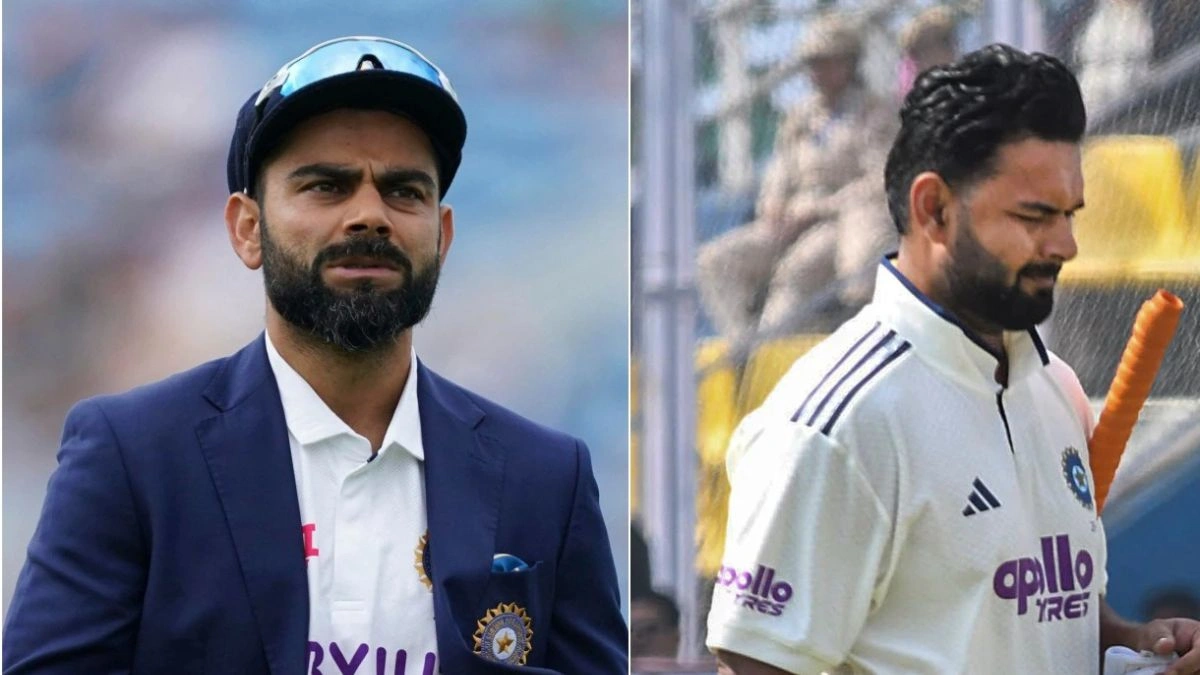
Virat Kohli’s retirement from Test cricket on May 12 continues to dominate cricket conversations, especially after India’s recent Guwahati setback. The surprising defeat has reignited the debate around whether Kohli stepped away too soon from the longest format. His absence in the middle order was felt sharply, and many experts believe his experience could have changed the outcome.

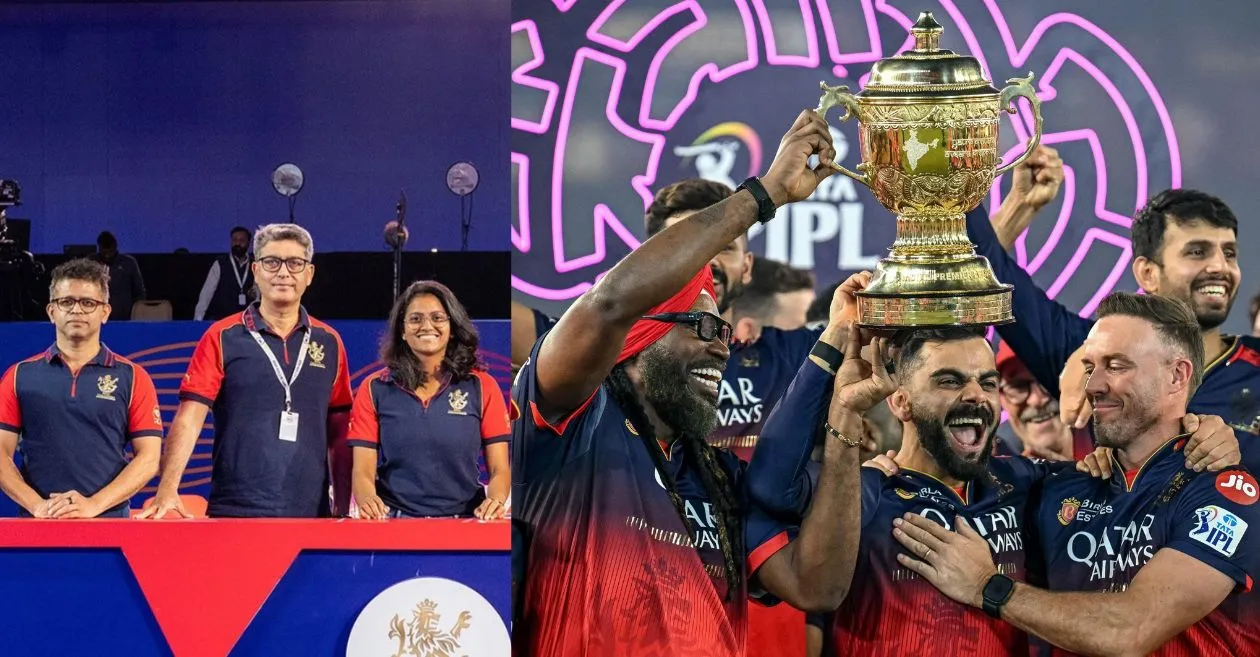
Amid this growing debate, one of Kohli’s closest friends and former RCB teammate, AB de Villiers, has come forward to share his thoughts. According to de Villiers, Kohli’s retirement was not influenced by form, pressure, or outside noise—it was a deeply personal, heartfelt decision.

AB de Villiers: “He Followed His Heart”

Reacting to Kohli’s shocking announcement, AB de Villiers said that Kohli trusted his instincts—something he has done throughout his career.

“He must have listened to his heart… He followed his gut feeling. He has done a lot for cricket around the world over the years, and luckily, we will still see him on the field.”

De Villiers emphasized that while fans and critics may dissect the timing of the decision, ultimately, it was Kohli’s call as someone who has given everything to the sport.

He added that Kohli will be deeply missed in Test cricket, not just for his runs but for his intensity, leadership, and unmatched presence.

Kohli’s Illustrious Test Journey: A Legacy Set in Stone

Virat Kohli’s Test career is one of the most decorated of the modern era. In 123 Tests, he scored 9,230 runs at an average of 46.85, with 30 centuries and 31 fifties, and a career-best of 254*. He retires as India’s fourth-highest run-scorer, behind Sachin Tendulkar, Rahul Dravid, and Sunil Gavaskar.

A Tough Start, A Strong Rise (2011–2015)

Kohli made his Test debut in 2011 in the West Indies. The start was challenging—just 76 runs in five innings. But he quickly turned things around. His breakthrough moment came in Adelaide in 2012, where he scored a gritty 116, becoming India’s standout batter in a difficult series.

Between 2011 and 2015, Kohli scored 2,994 runs at an average of 44.03, marking the arrival of a dependable red-ball batter.

The Golden Era: Kohli at His Peak (2016–2019)

This period is widely regarded as one of the greatest batting peaks in Test history. Kohli amassed 4,208 runs in 43 Tests at an astonishing average of 66.79.

This golden phase included:

16 centuries

10 fifties

7 double centuries (the most by any Test captain)

He redefined fitness standards, modernised India’s Test culture, and transformed India into a dominant force both at home and overseas. His aggressive leadership, especially in tours to Australia and England, is still celebrated.

The Decline: The Tough 2020s

The 2020s brought a dip in form. Kohli managed 2,028 runs in 39 Tests at an average of 30.72, including only three centuries.

While he had a strong 2023—with 671 runs at 55.91—the inconsistency returned in 2024, where he struggled for rhythm and lost frequently to his familiar off-stump weakness.

His final Test series, the Border-Gavaskar Trophy 2024–25 in Australia, saw him score just 190 runs in nine innings. His century at Perth was the only standout moment.

A Career of Iconic Highs

Even with the ups and downs, Kohli’s Test journey is laced with unforgettable memories:

  1. Domination in Australia (2014–15)

692 runs

Four centuries

Announced himself as India’s next leader

  1. Redemption in England (2018)

593 runs

Five fifty-plus scores

Silenced critics after a poor 2014 tour

  1. Seven Double Hundreds as Captain

A record that may stand for decades.

  1. Leading India to the Top

Kohli’s captaincy era marked India’s rise to the top of the Test rankings and multiple ICC World Test Championship mace wins.

Why the Guwahati Loss Intensified Retirement Conversations

India’s recent performance in Guwahati has reignited questions about Kohli’s timing. The team’s middle order felt unstable, and many fans believe Kohli’s presence could have anchored crucial moments.

Critics argue:

His experience in pressure situations is irreplaceable.

His fitness and intensity were still at world-class levels.

The team environment leaned heavily on his energy.

Supporters counter:

Kohli’s form had dipped in the last few years.

Retirement was his personal choice after 14 years of service.

He may perform better in other formats without the Test workload.

Regardless of the debate, the Guwahati setback has added fuel to discussions around whether India was prepared for a post-Kohli Test era.

De Villiers on Kohli’s Decision: A Friend’s Perspective

De Villiers, who shares a deep friendship with Kohli, understands the emotional weight behind such a decision. He acknowledged that Kohli has always been someone who listens to his inner voice, and this time, too, he made a decision aligned with his personal priorities.

“He will be missed in Test matches… He leaves a great legacy in red-ball cricket.”

What Kohli Leaves Behind: More Than Numbers

Virat Kohli’s Test legacy isn’t defined by runs alone. It is defined by vision, passion, commitment, and standards that pushed Indian cricket to new heights.

Final Thoughts: The Debate Will Continue

Virat Kohli’s retirement from Test cricket came as a shock and continues to generate discussion, especially after India’s struggles in Guwahati. While debates will rage on about timing and impact, one thing is beyond dispute—Kohli leaves behind an extraordinary legacy that shaped an entire era of Indian cricket.

As AB de Villiers said, this was a decision made from the heart. And for a player who has always played with unmatched passion, perhaps there was no better way to exit.

khelosports