KheloSports

The $2 Billion Question: Who Will Buy Royal Challengers Bengaluru?

The $2 Billion Question: Who Will Buy Royal Challengers Bengaluru?

The $2 Billion Question: Who Will Buy Royal Challengers Bengaluru?

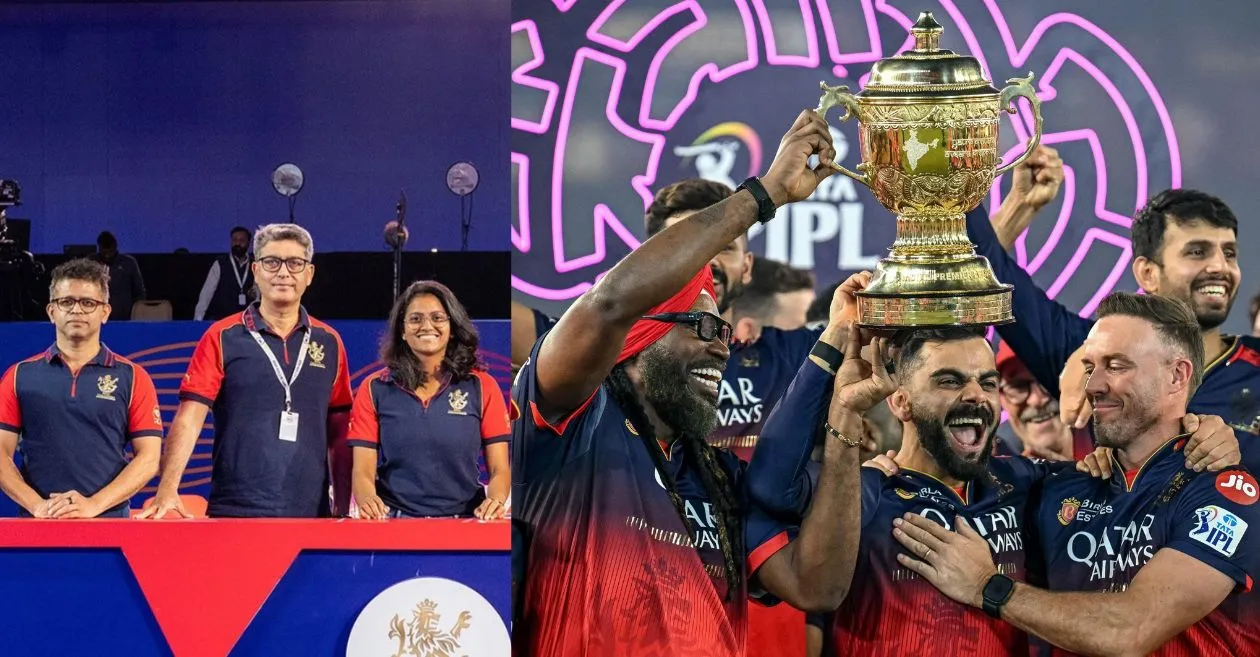
The Royal Challengers Bengaluru (RCB), fresh off their maiden IPL title in 2025, are now at the center of a high-stakes ownership saga. Reports indicate that Diageo, through its subsidiary United Spirits, is considering selling the franchise for a valuation of approximately $2 billion. This move has attracted interest from several prominent Indian and international investors and has become one of the most talked-about topics in cricket and sports business circles.

RCB's Journey to a $2 Billion Valuation

For the second match in a row, Nadine de Klerk emerged as South Africa’s savior under pressure. Coming in at 198/7 during a faltering chase, she delivered an innings that balanced aggression and control with remarkable calmness.

Her 37 not out from 29 balls may not look monumental in isolation, but context makes it priceless. With 35 runs required from the final five overs, de Klerk steered the innings with tactical precision — targeting gaps, rotating strike, and punishing loose balls. When the pressure peaked, she launched a stunning six over long-on to finish the match with three balls remaining.

What makes de Klerk stand out is her temperament. Even after being dropped in the penultimate over, she showed no signs of nervousness. Instead, she used that reprieve to tighten her grip on the contest and push South Africa across the line. That moment summed up her World Cup campaign — composed, fearless, and clutch when it mattered most.

Potential Buyers: Who’s Interested?

Several high-profile entities have shown interest in acquiring RCB:

  • Adar Poonawalla: CEO of Serum Institute of India, Adar has hinted at purchasing a stake in RCB, sparking speculation about potential collaboration with international investment firms.

  • Parth Jindal: Director of JSW Group, Parth currently owns 50% of Delhi Capitals. A serious bid for RCB would require him to divest from Delhi Capitals due to conflict of interest rules.

  • Adani Group: A prominent Indian conglomerate with interests in multiple sectors, the Adani Group has previously shown interest in IPL franchise acquisitions, including the Ahmedabad franchise in 2022.

  • US-Based Private Equity Firms: Reports suggest that two private equity firms from the United States are exploring options to invest in RCB, highlighting the growing international interest in IPL franchises.

With at least six parties reportedly in talks with Diageo, the competition for RCB ownership could drive the valuation even higher.

Is RCB Worth $2 Billion?

Diageo is seeking a valuation of $2 billion for RCB, sparking debates among sports business analysts. Supporters argue that the figure is justified, given RCB’s enhanced brand equity following the 2025 IPL win and the growing revenue potential of IPL media rights. Critics, however, caution that this is a steep price, especially with the ongoing consolidation in India’s broadcasting sector and fluctuating franchise valuations.

The valuation is influenced by several factors: fan engagement, sponsorships, merchandise sales, and potential returns from IPL’s lucrative media rights cycle. Experts point out that with IPL viewership continuing to rise globally, owning RCB could provide long-term revenue streams well beyond match-day income.

Media Rights and Revenue Projections

Media rights remain a critical component of any IPL franchise valuation. JioStar’s subscriber base has crossed 500 million, suggesting significant revenue potential from subscriptions and advertisements.

Based on projections:

  • Subscription revenue for one IPL season could reach approximately INR 20,000 crore.
  • Over a five-year cycle, broadcasters could earn more than $10 billion from subscriptions alone.
  • Advertisement revenue from IPL broadcasts may contribute an additional $2-3 billion over five years.

These figures indicate that RCB could generate substantial returns for any investor, making the $2 billion valuation a plausible long-term investment.

Challenges for Potential Buyers

Investing in RCB comes with several challenges:

  1. Legal and Financial Liabilities : Any new owner may inherit unresolved legal issues, including cases stemming from past incidents during IPL matches.
  2. Stadium Restrictions: The M. Chinnaswamy Stadium has been largely out of bounds for cricket since a tragic incident in 2024, raising concerns about match hosting and revenue generation.
  3. Regulatory Approvals: The sale requires approval from the Board of Control for Cricket in India (BCCI) and other regulatory bodies, which could complicate the acquisition process.
  4. Valuation Concerns: While $2 billion is the quoted figure, potential buyers will carefully weigh the return on investment against the risks of IPL’s fluctuating revenues and costs of team management.

Despite these challenges, the RCB brand remains highly attractive due to its massive fan following, celebrity endorsements, and the recent championship win.

The contest between Bangladesh and South Africa wasn’t just about individual brilliance; it was about strategic execution — and how both teams adapted, or failed to.

Historical Context: RCB and IPL Growth

RCB has always been one of the most popular teams in the IPL. Despite not winning an IPL title for over a decade, the team enjoyed massive fan support, partly due to star players like Virat Kohli and Faf du Plessis. The 2025 victory not only boosted morale but also increased the franchise’s commercial appeal.

Owning an IPL franchise like RCB is not just about cricket performance—it’s about marketing, brand loyalty, and global recognition. With India emerging as a major market for sports investments, RCB represents both a sporting and business opportunity.

The Role of Investors in IPL Expansion

High-net-worth individuals and private equity firms are increasingly viewing IPL franchises as attractive long-term assets. Investors are drawn by the combination of high media rights value, sponsorship potential, and expanding international fan base.

The RCB sale could set a precedent for other IPL teams considering partial or full sales of their stakes. This trend may transform IPL ownership structures and open opportunities for global investors in Indian cricket.

Potential Impact on the IPL Ecosystem

A sale of RCB at $2 billion could significantly impact the IPL landscape:

  • Market Benchmark: The transaction could establish a benchmark for the valuation of other franchises.
  • Global Interest: International investors may take a stronger interest in IPL franchises as viable sports investments.
  • Media Rights Negotiations: Increased valuations could influence future IPL media rights bidding cycles.
  • Player Salaries and Team Investment: New owners might invest more aggressively in team infrastructure, scouting, and player development.

These factors suggest that the RCB sale is more than a financial transaction—it could shape the future of IPL as a global sports league.

Conclusion

The potential sale of Royal Challengers Bengaluru represents a landmark moment in the IPL and sports investment in India. With a $2 billion valuation, RCB has become one of the most valuable cricket franchises in the world.

While several prominent Indian and international investors are interested, challenges such as legal liabilities, stadium restrictions, and regulatory approvals must be addressed. Nevertheless, the team’s strong brand equity, championship success, and massive fan following make it an attractive long-term investment.

As Diageo evaluates offers, the coming weeks will be crucial in determining the future ownership of RCB. For cricket fans, sports investors, and analysts alike, this $2 billion question is one of the most compelling stories in Indian sports today.

khelosports