- Developer
- October 30, 2026
- Comments (0)
IPL Rain Rules: How the DLS Method Works in IPL Matches
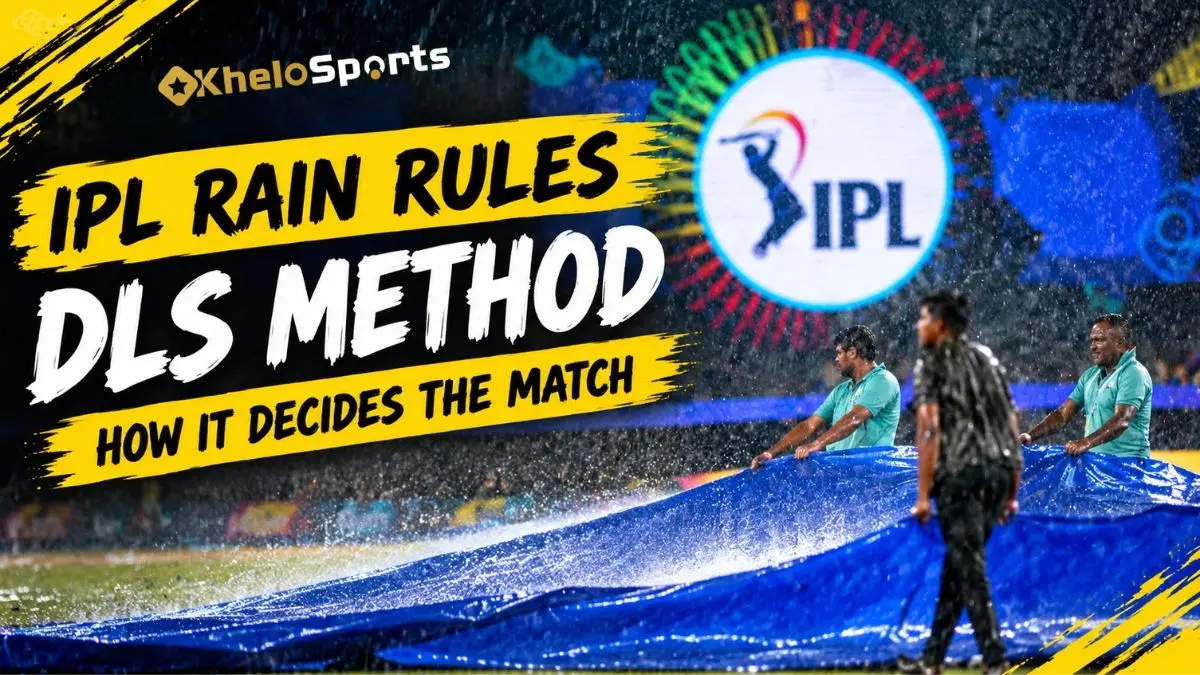
Under IPL rain rules, a shortened match gets a new target from the DLS Method, short for Duckworth-Lewis-Stern. It doesn’t just knock off runs for every over lost.It looks at the amount of batting resources that remain, which includes the number of overs remaining and the wickets in hand. And then it determines an appropriate number from there. A result only counts once both teams have faced five overs or more.
Ever seen a revised target of 148 flash up and wondered where on earth it came from? You’re far from the only one. Fans on the Khelosports Platform ask about it nearly every season once the clouds roll in. So here’s how the system works, minus the complicated maths.
What Is the DLS Method?
Three names sit behind those letters. The system was conceived by Frank Duckworth and Tony Lewis in the late 1990s, and international sides began to employ it in 1997. Much later, Steven Stern from Australia tweaked the formula for modern scoring, and in 2014 his surname got added to the title.
Older rain systems were a bit of a mess. A few of them simply chopped the target according to overs lost, and the chasing side sometimes ended up with an impossible ask, or a ridiculously easy one. With the DLS Method, the focus moved to what a team can actually score with the batting left in the shed.
The Big Idea: Resources
In DLS language, overs and wickets are “resources.” A T20 side walks out with the full set, all 20 overs and all 10 wickets. Every ball bowled and every batter dismissed eats into that stock.
Think of two teams, each with 10 overs to go. One has lost only a single wicket, so the batters swing freely. The other is eight down and has to tread carefully. Equal number of overs, but not equal opportunities for scoring runs. In order to show the difference, DLS takes into account many previous matches and assigns different percentages to all combinations of overs and wickets.
How DLS Works When Rain Hits an IPL Match
When the rain turns up changes how the numbers get worked out.
Rain Before or During the First Innings
Lose overs early on, and both sides usually get the same shorter innings. The target for the team chasing then gets tweaked based on how much batting the first side had left at the moment the overs were cut.
Rain During the Chase
When rain interrupts the chase, the target is recalculated based on the resources available to both teams. The revised target may go up or down, depending on the situation. Even if the chasing team has fewer runs to score, the required run rate can increase because fewer overs remain.
The Par Score
Suppose the weather ends the match halfway through the chase. The umpires then look at the par score, which is where DLS reckons the chasing team should be, given the overs and wickets used so far. Ahead of par means the chasing side takes the match. Behind it, and the team that batted first gets the points.
The Five-Over Rule
Under IPL rain rules, there’s no result unless both teams bat for five overs at least. The only exceptions are a team getting bowled out early or reaching the target before five overs. In league matches, if five overs per side cannot be completed, the match is declared a No Result, and each team receives one point.
IPL Final Rain Rules
The final comes with a few safety nets, and the IPL final rain rules use them one after another.
To start with, umpires have up to two extra hours on the match day before they trim any overs. Still raining after that? The final shifts to a reserve day, where it either begins again or resumes from the point it stopped.
Should the reserve day get washed out as well, the umpires aim for a Super Over. And if even that can’t happen, the trophy goes to whichever team sat higher on the points table at the end of the league stage.
The 2023 Final: A Real Example
Chennai and Gujarat found out about all this the hard way in 2023. Their original date got wiped out entirely, so both sides came back the next evening. Gujarat put up 214, and three balls into the reply, the rain came back.
By the time the covers came off, DLS had trimmed the chase to 15 overs, with CSK needing 171. It went right down to the final delivery, and Ravindra Jadeja found the boundary to hand Chennai the trophy.
Key DLS Facts at a Glance
| What You Want to Know | Answer |
|---|---|
| Who built it | Frank Duckworth and Tony Lewis |
| Who revised it | Steven Stern |
| What it measures | Overs to go and wickets left |
| Shortest valid match | Five overs for each team |
| How targets get worked out | ICC-approved DLS software |
| Extra time in playoffs and final | Two hours at most |
| If the final gets washed out | Reserve day, Super Over, then league position |
Why the DLS Method Matters
Long tournaments at open-air grounds will always see some rain.In the absence of a proper system, even a single shower of rain might affect the game significantly in favor of one team. DLS Method ensures parity between the teams regardless of how strange the calculations may appear initially.
The next time you see covers coming out in an IPL game, there are two aspects that need to be looked at: overs remaining and wickets remaining. These two factors will tell you about most of the new target scores being set on the board. Follow Khelosports to know all the rules of cricket and stay tuned with us for live cricket updates.