KheloSports

Ashes Shock: ICC Rates Two-Day Perth Pitch as "Very Good" Despite 32 Wickets Falling

Ashes Shock ICC Rates Two-Day Perth Pitch as Very Good Despite 32 Wickets Falling

Cricket fans were stunned this week after the opening Test match of the 2025–26 Ashes series in Perth ended in just two days, with a staggering 32 wickets falling. Australia claimed a dominant eight-wicket victory, England suffered one of their shortest Ashes outings in history, and debates exploded across the cricketing world. The controversy intensified when the International Cricket Council (ICC) officially rated the Perth surface as “Very Good.”

The ruling raised eyebrows globally. How could a pitch that resulted in such a rapid, lopsided match earn the highest rating available? The answer lies in the ICC’s pitch-assessment framework — but critics argue that the verdict doesn’t match what the world witnessed.

A Two-Day Ashes Test: The Shock Factor

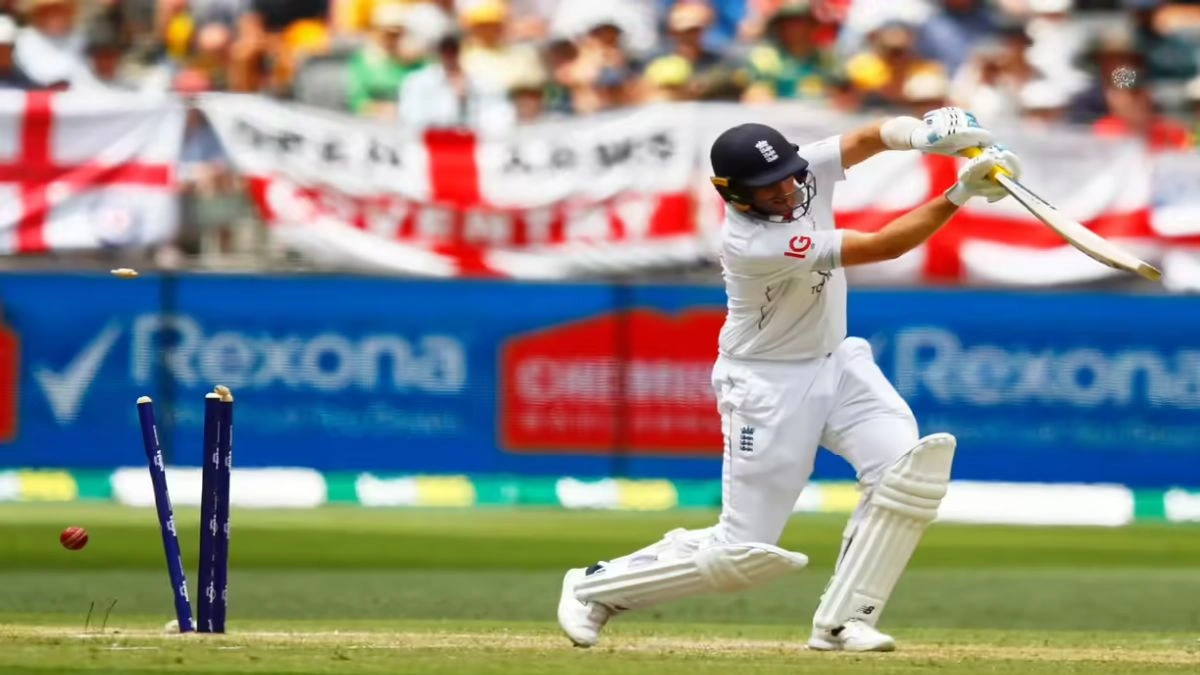
The Perth Test, played on November 21–22, will enter the history books for its speed alone. Not since the early 20th century has an Ashes Test concluded this quickly. With 32 wickets tumbling and spectators arriving for Day 3 only to be told the match was already over, frustration spread rapidly.

Australia’s pace attack was relentless. Their bowlers extracted pace and bounce from the surface, repeatedly forcing England’s batters into poor shot-making and defensive uncertainty. England, meanwhile, struggled from the opening overs and never found stability in either innings. Australia chased their small target on Day 2 with commanding ease.

To many fans, it looked like a pitch that offered too much to bowlers and too little to batters.

So when the ICC announced the pitch had earned a “Very Good” rating, the reaction was explosive.

Why the ICC Rated the Perth Pitch as “Very Good”

To understand the rating, one has to understand the ICC’s assessment criteria. A “Very Good” surface is one that offers:

  • Consistent and predictable bounce
  • Good carry to the wicketkeeper and slips
  • A fair contest between bat and ball
  • No excessive seam, spin, or uneven behavior

According to match officials and observers assigned by the ICC, the Perth pitch did not behave erratically. It had:

  • Even, predictable bounce throughout
  • Natural but not exaggerated seam movement
  • A steady pace that favored quality fast bowling
  • No cracks or uneven patches that caused random deviations

In short, the pitch behaved exactly like a fast Australian wicket traditionally does.

From the ICC’s viewpoint, the quality of bowling — not the condition of the pitch — caused England’s dramatic collapse.

But Critics Say the Result Tells Another Story

The ICC’s assessment hasn’t stopped the cricket community from questioning the call. The arguments coming from critics can be grouped into three major concerns:

1. A Two-Day Test Cannot Be “Very Good” for the Game

Test cricket is built on drama across five days — momentum swings, endurance, and deep strategy. A two-day finish removes much of that charm and significantly affects fans who paid for three days they never got to witness.

Critics argue that if a pitch allows a match to collapse so quickly, it should automatically receive a lower rating for the sake of preserving the game’s traditional format.

2. Fans and Broadcasters Lost Out

The early finish created:

  • Empty reserved seats

  • Refund requests

  • Broadcast schedule disruptions

  • Hospitality and tourism losses

Stakeholders argue that commercially, a “Very Good” surface should not result in such heavy losses.

3. The Verdict Sets a Dangerous Precedent

Many fear this rating will encourage:

  • More bowler-friendly surfaces

  • Shorter Tests becoming more common

  • Reduced emphasis on long-format stability

In a cricketing world where Test cricket is already fighting for viewership, critics believe the ICC must protect the longevity of multi-day matches.

Supporters of the Rating Stand Firm

Those who agree with the ICC’s verdict argue that:

  • Test cricket should challenge batters
  • Not every pitch must guarantee a five-day match
  • High-quality fast bowling should not be penalized
  • England’s collapse was more about poor technique than pitch difficulty

Former players and analysts pointed out that Australia’s pace attack was operating at an elite level — consistently hitting the right lengths, maintaining high speeds, and executing gameplans with precision.

Supporters insist:
“Don’t blame the pitch for showcasing world-class fast bowling.”

The England Batting Debate

Much of the conversation has focused on England’s approach. Over the past two years, England’s ultra-aggressive batting style has been celebrated but also criticized as overly risky in certain conditions. In Perth, that mindset backfired.

Key issues identified in England’s innings included:

  • Poor shot selection under pressure
  • Inadequate footwork against bouncing deliveries
  • A lack of patience in difficult conditions
  • Too many risky strokes early in innings

Several voices suggested that even on a traditional Australian pitch, a more disciplined batting display would have extended the match well into Day 3 or Day 4.

Context: A Pitch Is Only One Factor in a Test Match

A Test match is influenced by a combination of elements:

  • Skill levels
  • Tactical decisions
  • Weather
  • Ball condition
  • Player mindset
  • Pressure moments

Even with a pitch performing within normal boundaries, extreme conditions like outstanding bowling and strategic errors can create fast finishes.

In Perth, analysts widely agree that:

  • Australia maximized the conditions
  • England misread and mishandled the situation

The pitch remained fair and consistent, even if challenging

What Happens Next in the Ashes?

With the next Test scheduled in Brisbane, the focus will shift quickly to:

  • How England adjust their batting strategy
  • What kind of surface the Gabba will offer
  • Whether Perth’s debate influences curator decisions across Australia
  • How spectators respond after the two-day disappointment

England will face immense pressure to respond both tactically and mentally. Australia, meanwhile, will look to use the momentum to dominate the series early.

Conclusion: A Fair Pitch or a Flawed System?

The ICC’s “Very Good” rating has ignited a conversation that goes beyond just one Test match.

It raises important questions:

  • Should pitch behavior be judged only on technical performance?
  • Should Test cricket prioritize a five-day contest?
  • How much responsibility lies with players vs pitch curators?
  • Should fan experience and commercial factors influence ratings?

The Perth Test reminded the world that fast bowling excellence can dominate even on a fair surface. But it also reminded administrators that Test cricket’s future depends on maintaining balance, drama, and duration.

khelosports